The Nature of Luck in Gambling
Luck is often perceived as a capricious force that can sway outcomes in gambling, lending an air of mystery to the experience. Many players enter gambling establishments with the notion that luck will favor them, believing that a streak of good fortune could lead to significant wins. This belief is deeply rooted in the psychological aspects of gambling, where every player hopes that their next bet could be the lucky one, turning their fate around dramatically. For those seeking immediate rewards, the appeal of online casino instant withdrawal options is particularly strong, as it aligns with the thrill of experiencing spontaneous success in their gambling journeys. The randomness of card games, slot machines, and other gambling formats feeds into this allure, making it easy for players to attribute wins to luck rather than skill or strategy.
However, defining luck can be quite complex. In some gambling forms, such as poker, skill plays a significant role, and luck may provide only a temporary advantage. A skilled player who understands the odds and nuances of the game can consistently outperform those who rely solely on luck. In contrast, games of pure chance, like roulette or slots, put players on a level playing field where luck reigns supreme. This variance in game dynamics highlights the duality of luck: it can either elevate a player or leave them at the mercy of fate.
The impact of luck on gambling outcomes is a popular topic among players and experts alike. Some believe that luck can be harnessed or influenced through rituals, charms, or superstitions, adding an extra layer of excitement to the experience. Others argue that luck is purely random, emphasizing the importance of responsible gambling practices and understanding odds. Ultimately, the perception of luck in gambling can impact how players engage with their favorite games, shaping their experiences in both positive and negative ways.
The Psychology Behind Believing in Luck
The psychology of luck is fascinating, as it influences gamblers’ behaviors and decisions. Many individuals have cognitive biases that lead them to focus on winning streaks while downplaying losses. This phenomenon, known as the “gambler’s fallacy,” can perpetuate the belief that luck is a determining factor in their gambling fate. Players may become increasingly optimistic after a win, believing they are on a lucky streak, which can lead to riskier betting behaviors. This mindset can create a cycle where luck is seen as a critical component of success in gambling.
Moreover, the environments of gambling establishments often play into the psychology of luck. With bright lights, celebratory noises, and the presence of winners, players are bombarded with stimuli that can enhance their belief in luck. This sensory overload can heighten emotions and encourage them to participate more actively, adding to the narrative that luck is on their side. The social aspect of gambling also plays a role, as players share their experiences and stories of luck, further solidifying the myth and enhancing the thrill.
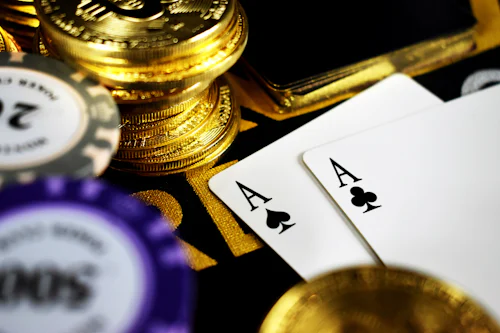
Understanding the psychology behind luck can help gamblers make more informed decisions. By recognizing cognitive biases and the influence of gambling environments, players can become more aware of their motivations and the factors affecting their behavior. This self-awareness is crucial for fostering a healthy relationship with gambling and ensuring that it remains an entertaining activity rather than a source of stress or financial hardship.
The Role of Skill and Strategy in Gambling
While luck undeniably plays a role in gambling, skill and strategy cannot be overlooked. In games such as poker, blackjack, and sports betting, knowledgeable players can leverage their understanding of the game to improve their odds of winning. This aspect of gambling often appeals to those who thrive on strategy and calculated risks, as it allows them to influence the outcome with their decisions. For example, skilled poker players utilize psychological tactics and mathematical concepts, enabling them to make informed moves that can counterbalance luck.
Furthermore, players who are well-versed in the rules and odds of a game can strategically manage their bankrolls to maximize their chances of success. Understanding concepts like expected value and house edge can aid gamblers in making decisions that promote long-term gains rather than short-term luck. This strategic approach can mitigate the randomness that luck introduces, providing a framework for responsible gambling.
However, it is essential to recognize that strategy cannot eliminate luck from the equation entirely. Even the most skilled player may face a series of unfortunate events due to the inherent randomness of gambling. This interplay between skill and luck creates a dynamic environment that keeps players engaged, as they navigate the complexities of chance while employing their expertise. In this way, gambling becomes an intriguing mix of fortune and finesse.
The Impact of Luck on Gambling Outcomes
Luck can significantly influence gambling outcomes, creating highs and lows that can be exhilarating yet perilous. Players may experience moments of triumph when luck is on their side—hitting a jackpot or making a successful bet can result in substantial rewards. Conversely, experiencing a string of bad luck can lead to frustration and disappointment, often causing players to chase their losses in a desperate attempt to regain their perceived fortune. This cycle can create emotional turmoil and financial strain, highlighting the dual-edged nature of luck in gambling.
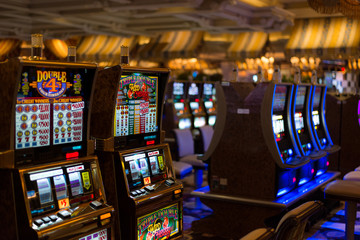
Research indicates that the perception of luck can also impact decision-making processes. Players who feel lucky may take more risks, potentially leading to larger wins or significant losses. On the other hand, a perceived lack of luck can cause players to play more conservatively, which may not always align with optimal strategies. Understanding these psychological components is essential for maintaining a balanced approach to gambling, ensuring that players can enjoy the experience without falling prey to the pitfalls of luck-driven decisions.
Ultimately, while luck can change a player’s gambling fate in the short term, it is crucial to approach gambling with an understanding of its unpredictable nature. Emphasizing a balanced mindset that incorporates strategic thinking and responsible practices can help gamblers navigate the thrilling yet treacherous world of chance. By recognizing the role of luck and its influence on their experience, players can engage in gambling as a form of entertainment rather than as a means of financial gain.
Understanding Gambling Resources and Strategies
For those interested in optimizing their gambling experience, numerous resources and strategies are available. These can range from educational materials that teach the intricacies of various games to forums where players share their experiences and methodologies. Understanding the rules, odds, and strategies associated with different gambling formats is essential for making informed decisions and enhancing the overall experience. By investing time in learning, players can gain a competitive edge that helps mitigate the influence of luck.
Additionally, responsible gambling resources are invaluable for those looking to maintain control over their habits. Many organizations offer tools such as budgeting advice, self-exclusion options, and support networks aimed at fostering healthier gambling behaviors. Utilizing these resources can empower players to embrace a more disciplined approach, ensuring that they enjoy the fun of gambling without succumbing to the negative impacts of luck-related stress.
As players seek to enrich their gambling knowledge and experiences, various platforms and websites provide insightful content and advice. These resources can help demystify the world of gambling, shedding light on the actual odds, strategies, and the psychological factors at play. By engaging with these tools and communities, players can cultivate a deeper understanding of both luck and skill, fostering a more fulfilling and enjoyable gambling journey.
أحدث التعليقات